Habitats PreK-2 Activity Bundle

Regular price $715.00
Regular price $0.00 Sale price $715.00
Grades PreK-2

Habitats Challenges Young Naturalists to Design Animal Sanctuaries

Regular price $715.00
Regular price $0.00 Sale price $715.00
Shipping calculated at checkout.

⚠️ Clearance Item - Final Sale

All clearance sales are final. No returns, refunds, or exchanges.

SKU: SKU:46836

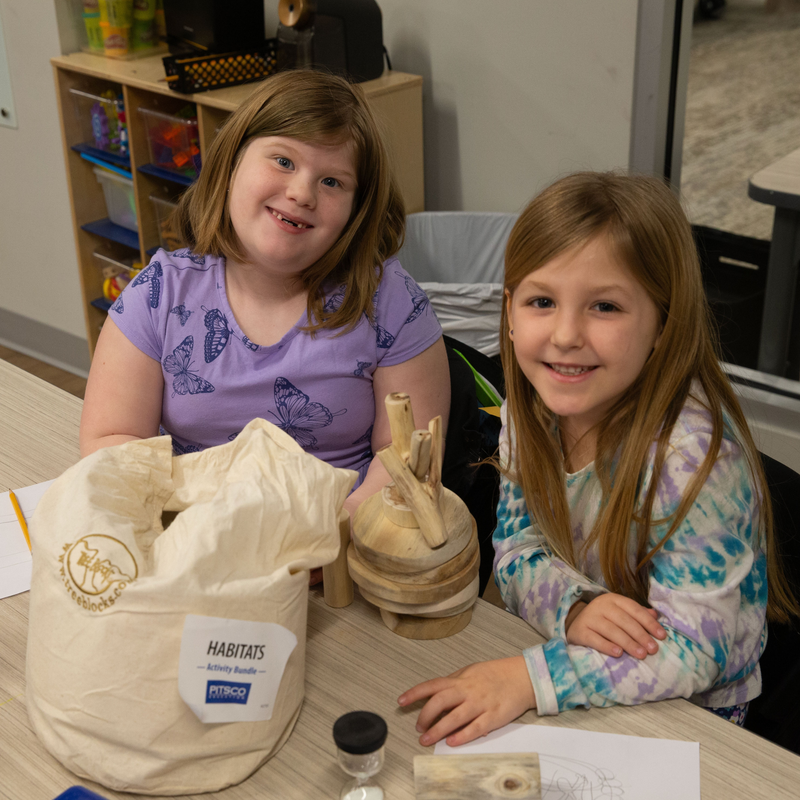
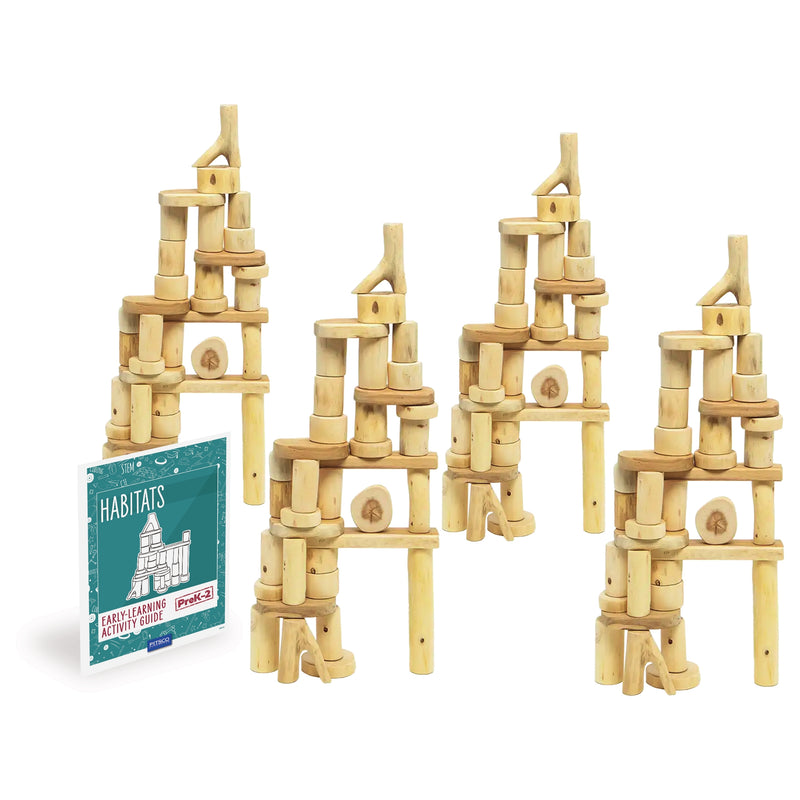
Why does a polar bear need ice but a tree frog needs rain? The Habitats PreK–2 Activity Bundle helps students answer that question through hands-on exploration of plant and animal needs, habitat comparison activities, and a culminating engineering challenge where teams design sanctuary habitats for chosen animals. Four Tree Blocks Sets and a complete activity guide serve 10–12 students across five standards-aligned lessons with zero additional tools required.

Out of Stock - Please allow 2-4 weeks for shipping.

Students Served: 10–12 students
Zero Prep Required
Zero Prep Required
Cross-Curricular Learning
NGSS + Head Start Aligned
Career Exploration Built In
WHAT'S INCLUDED
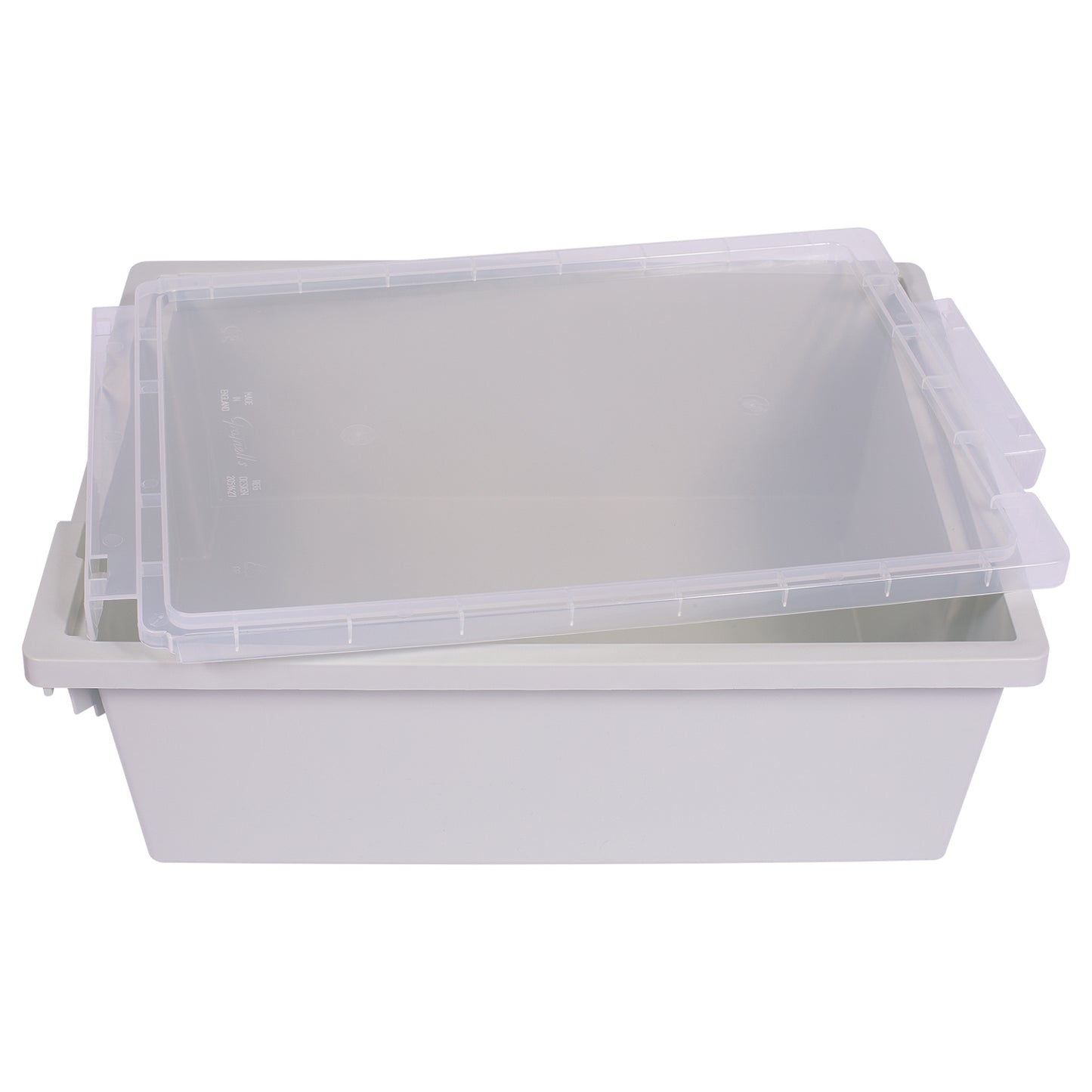
  • 4 Tree Blocks Sets
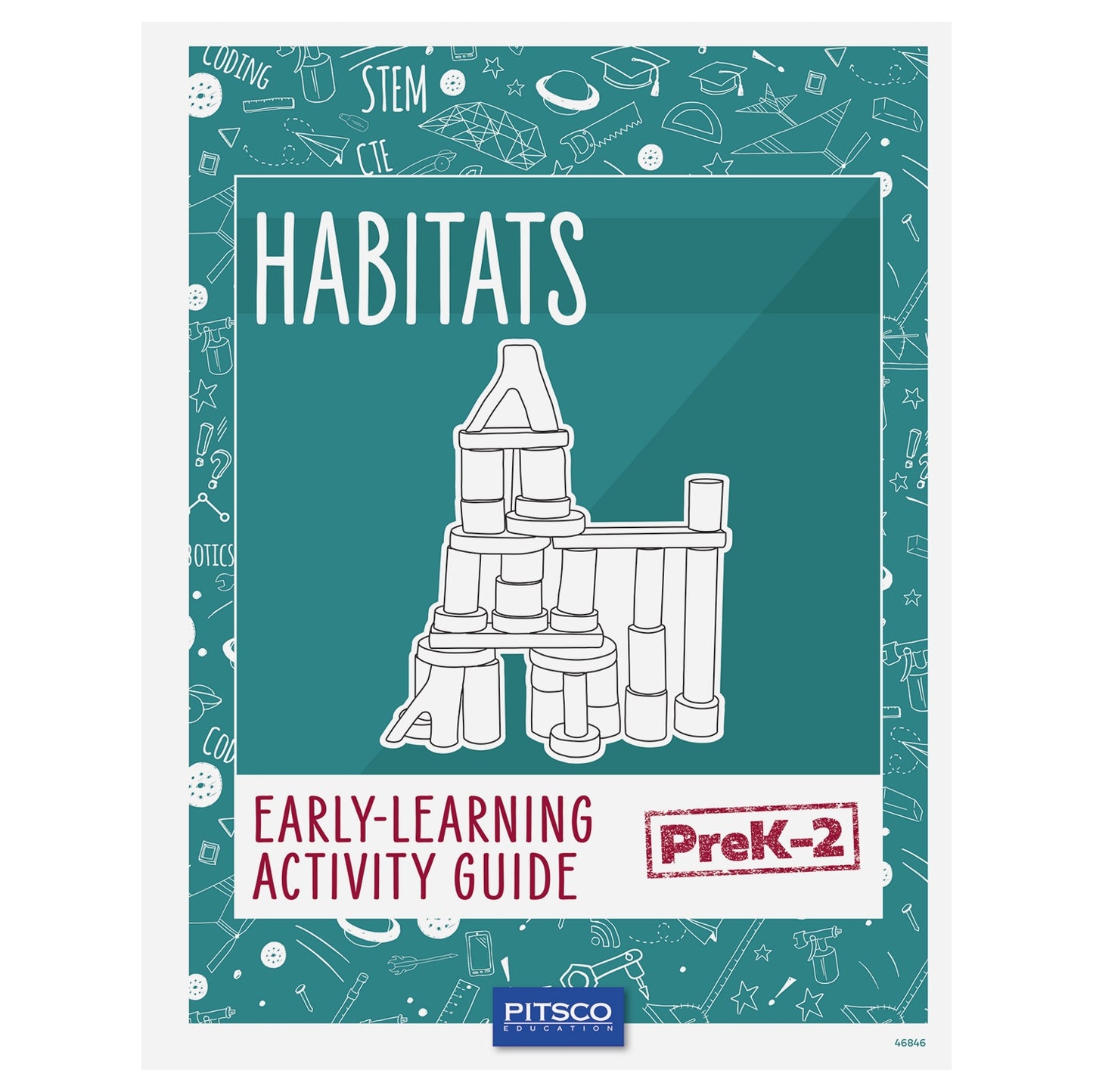
  • Activity guide
SPECIFICATIONS & SAFETY
  • Students Served: 10-12
View full details
Habitats PreK-2 Activity Bundle
Habitats PreK-2 Activity Bundle
Regular price $715.00
Regular price $0.00 Sale price $715.00

Frequently Bought Together

1
Life Cycles PreK-2 Activity Bundle
+
2
Animal Structures PreK-2 Activity Bundle
+
3
Exploring Senses PreK-2 Activity Bundle

Total: $607.00 (3 items)
Habitats PreK-2 Activity Bundle

Explore What Every Living Thing Needs to Survive and Thrive

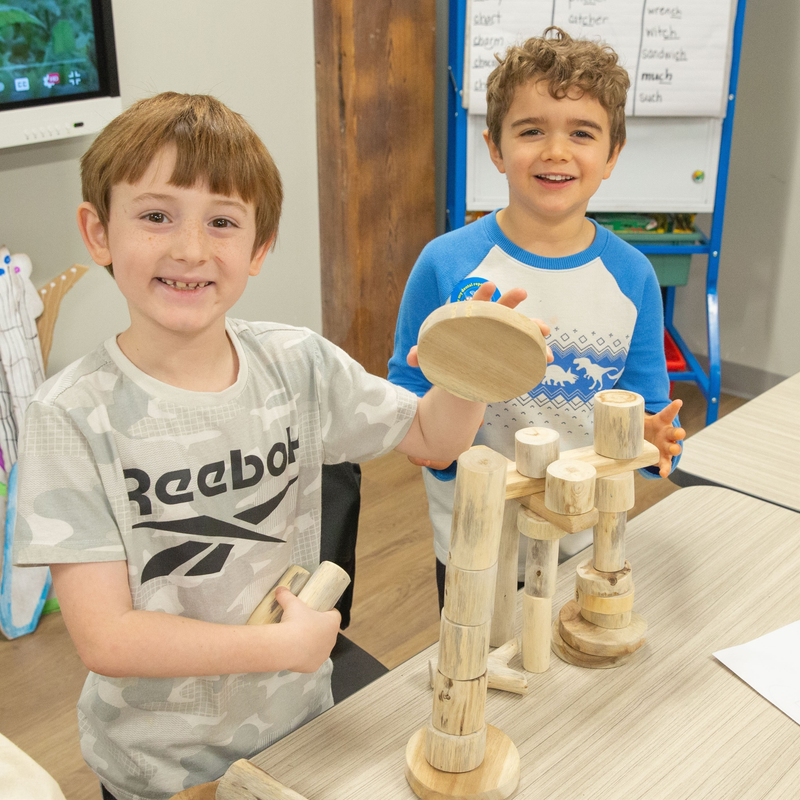
Tree Blocks let students build miniature ecosystems as they learn why different animals need different habitats. The final design challenge puts them in the role of wildlife sanctuary architects.
Habitat Exploration

Habitat Exploration

Students investigate what plants and animals need to survive — food, water, shelter, space — and discover how those needs change depending on location.

Comparison Activities

Comparison Activities

Side-by-side habitat comparisons help students understand why similar creatures live differently in deserts, forests, oceans, and tundra.

Sanctuary Design Challenge

Sanctuary Design Challenge

Teams choose an animal, research its needs, and design a sanctuary habitat using Tree Blocks — applying everything they have learned in a creative engineering project.

Career Connections

Career Connections

Lessons introduce real-world careers in wildlife biology, conservation, and environmental science, helping students see where this learning leads.

What Students Will Do

Students move from curiosity about nature to purposeful design — building scientific vocabulary, comparison skills, and empathy for living things.
  • Identify the basic needs of plants and animals: food, water, shelter, space
  • Compare habitats and explain why the same animal cannot live everywhere
  • Sort animals by habitat type and describe their adaptations
  • Research a chosen animal and list its specific habitat requirements
  • Design and build a sanctuary habitat model using Tree Blocks
  • Present sanctuary designs and explain how they meet the animal's needs

Compare Similar Products

Feature Current Product
Habitats PreK-2 Activity Bundle
Life Cycles PreK-2 Activity Bundle Animal Structures PreK-2 Activity Bundle
Price $715.00 $329.00 $149.00
Science Domain Life Science — EcosystemsLife Science — Life Cycles Life Science — Structures
Activities 2 activities + 1 engineering challenge2 activities + 1 engineering challenge 2 activities + 1 engineering challenge
Students Served 10–1210–12 10–12
Engineering Design
Literacy Integration
Materials Provided 4 Tree Blocks SetsFabric life cycle bags, resealable bags, hook-and-loop fastener Card set, flashlight, construction paper, cotton swabs, book
Additional Tools Required NoneRecyclable materials Scissors, glue
Grade Level PreK–2PreK–2 PreK–2
View Details View Details

1. What Do Living Things Need? — Students brainstorm and discuss the basic needs of plants and animals: food, water, shelter, and space. They observe examples and create a class needs chart.

2. Compare Habitats — Students explore different habitats — forest, desert, ocean, tundra — and compare how similar animals meet their needs in different environments.

3. Sort and Classify — Teams sort animals by habitat type and describe the adaptations that help each animal survive in its environment.

4. Design a Sanctuary — Each team selects an animal, researches its needs, and uses Tree Blocks to design and build a sanctuary habitat. Teams present their designs and explain how each feature supports their animal.

• NGSS K-LS1-1 — Use observations to describe patterns of what plants and animals need to survive

• NGSS 2-LS4-1 — Make observations of plants and animals to compare diversity of life in different habitats

• NGSS K-2-ETS1 — Engineering design: defining problems, developing and comparing solutions

• Common Core ELA — Vocabulary, informational text, speaking and listening

• Head Start Early Learning Outcomes — Scientific Reasoning: observation, comparison, living things; Approaches to Learning: curiosity, persistence

• Cross-curricular connections: geography, social studies, career awareness, oral presentation

Why Teachers Love Habitats PreK-2 Activity Bundle

Zero Prep, Maximum Impact

Zero Prep, Maximum Impact

Everything students need is in the box. No cutting, no copying, no extra supplies to track down.

Career Exploration Built In

Career Exploration Built In

Students learn about wildlife biologists, conservationists, and park rangers — connecting today's lesson to tomorrow's possibilities.

Develops Empathy for Living Things

Develops Empathy for Living Things

Designing sanctuaries teaches students that animals have real needs and that humans have a role in meeting them.

Four Block Sets for Full Participation

Four Block Sets for Full Participation

With four Tree Blocks Sets, every team builds simultaneously and every student gets hands-on time.

Covers Multiple Life Science Standards

Covers Multiple Life Science Standards

Habitat needs, organism diversity, and engineering design are all addressed in one cohesive bundle.

Durable and Reusable

Durable and Reusable

Tree Blocks are built for classroom use and last through years of building, rebuilding, and reimagining.

Flexible Purchasing Options

Pricing and volume discounts are built in—choose the path that fits your purchasing process.

Buy Online

Best if you know what you need and can buy online.

Ready to purchase now? Add this to your cart for fast, easy checkout.

Request a Quote

Need a quote for approval or purchase order processing?

Request a quote or connect with an Education Advisor before purchasing.

Request a Quote

Get Expert Guidance

Exploring options or planning a larger implementation?

Our Education Advisors can help with product selection, curriculum, and professional learning.

Book a Meeting

Frequently Asked Questions

What are Tree Blocks?

Tree Blocks are interlocking wooden blocks shaped like natural elements — trees, branches, and terrain features — that students use to build habitat models. They are durable, reusable, and designed for PreK–2 hands.

Do I need any additional supplies?

No. The Habitats bundle is fully self-contained. Everything students need for all five lessons is included in the box.

How does this bundle incorporate career exploration?

The activity guide includes profiles of real-world careers — wildlife biologist, conservationist, and park ranger — that connect directly to the science content students are learning.

Can this be paired with other life science bundles?

Yes. Habitats pairs naturally with Life Cycles for a study of how organisms grow and where they live, or with Animal Structures for a deeper look at how bodies and environments work together.

How does the sanctuary design challenge work?

Each team selects an animal, identifies its habitat needs (food, water, shelter, space), and builds a model sanctuary using Tree Blocks. Teams present their designs and explain how each feature supports their animal.

Does this bundle address Head Start standards?

Yes. Lessons align to Head Start Early Learning Outcomes in Scientific Reasoning (observation, comparison, living things) and Approaches to Learning (curiosity, persistence, initiative).