STEM Explorers: Design and Build

Regular price $4,999.00
Regular price $0.00 Sale price $4,999.00
Grades 6-8

STEM Explorers: Design and Build—Engineer Strong Foundations Through Hands-On Structural Challenges

Regular price $4,999.00
Regular price $0.00 Sale price $4,999.00
Shipping calculated at checkout.

⚠️ Clearance Item - Final Sale

All clearance sales are final. No returns, refunds, or exchanges.

SKU: SKU:93830

Challenge students to think like engineers as they explore how shape, structure, and design affect strength and stability. Through forty class periods of tower building, bridge design, and earthquake-resistant construction, students apply math, physics, and creativity to solve authentic engineering problems.

In Stock

Students Served: 24
Curriculum Included
Curriculum Included
No Experience Required
Standards Aligned
Standards Aligned
Serves 24 Students
Serves 24 Students
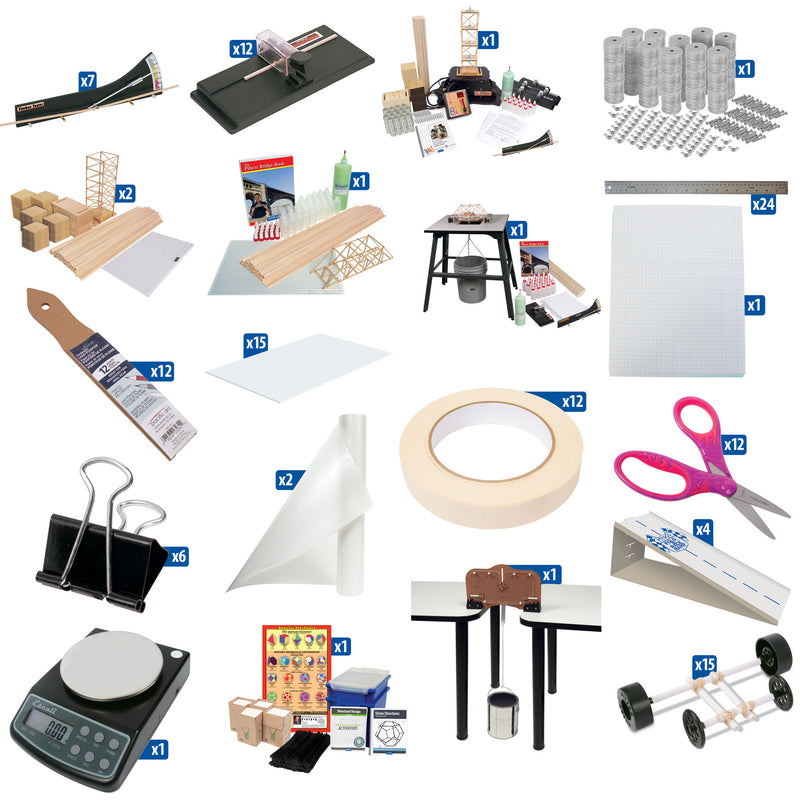
WHAT'S INCLUDED
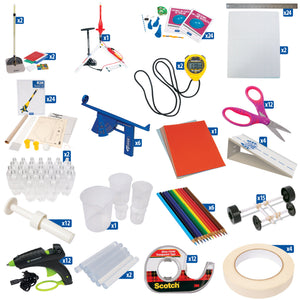
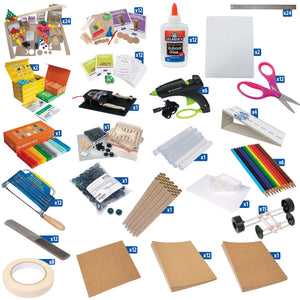
  • 12 Garage Framing Kits 201
  • Earthquake Towers – Getting Started Package
  • Earthquake Towers Teacher’s Guide
  • Bridges – Getting Started Package
  • Structural Design STEM PBL Unit
SPECIFICATIONS & SAFETY
  • Curriculum length: 40 Class Periods
  • Students Served: 24
View full details
STEM Explorers: Design and Build
STEM Explorers: Design and Build

Regular price $4,999.00
Regular price $0.00 Sale price $4,999.00

Frequently Bought Together

1
straw rocket pack, water rocket pack, zipline rocket pack, r2k rocket pack, and various tools and materials
+
2
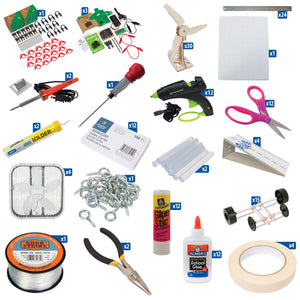
inventions kit, creating inventions kit, 3doodler kit, ap dragsters kit and launcher, and various materials and tools
+
3
Assorted craft and construction tools

Total: $12,197.00 (3 items)
STEM Explorers: Design and Build

Design. Build. Test to Failure. Improve.

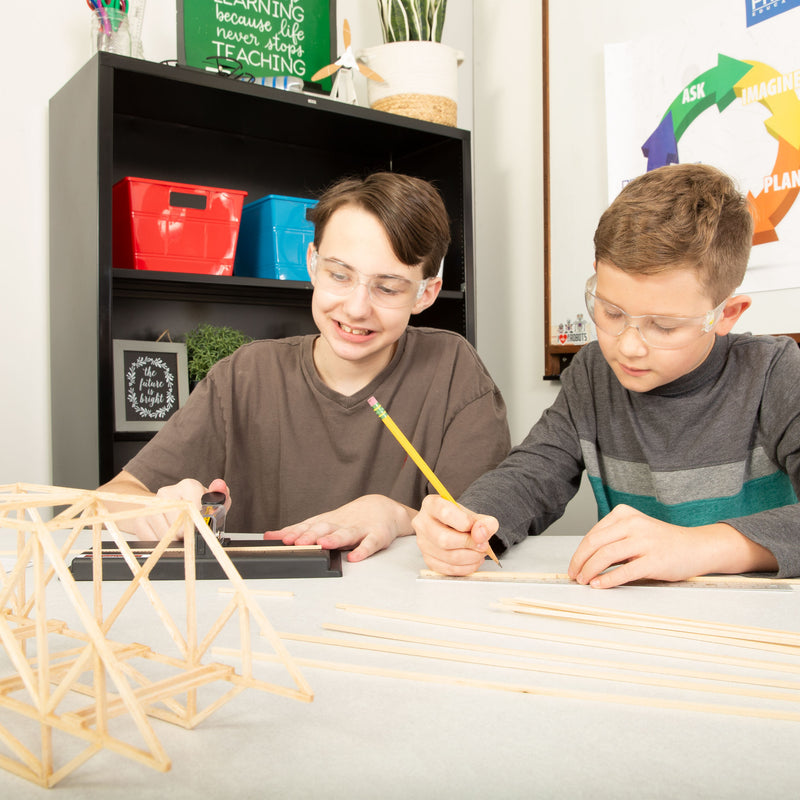
Students do not just learn about structures—they build them, load them, and watch them fail. Through five investigation units covering structural design, bridge engineering, and seismic resistance, students experience the full engineering design process with real materials and real consequences.
Structural Design Investigations

Structural Design Investigations

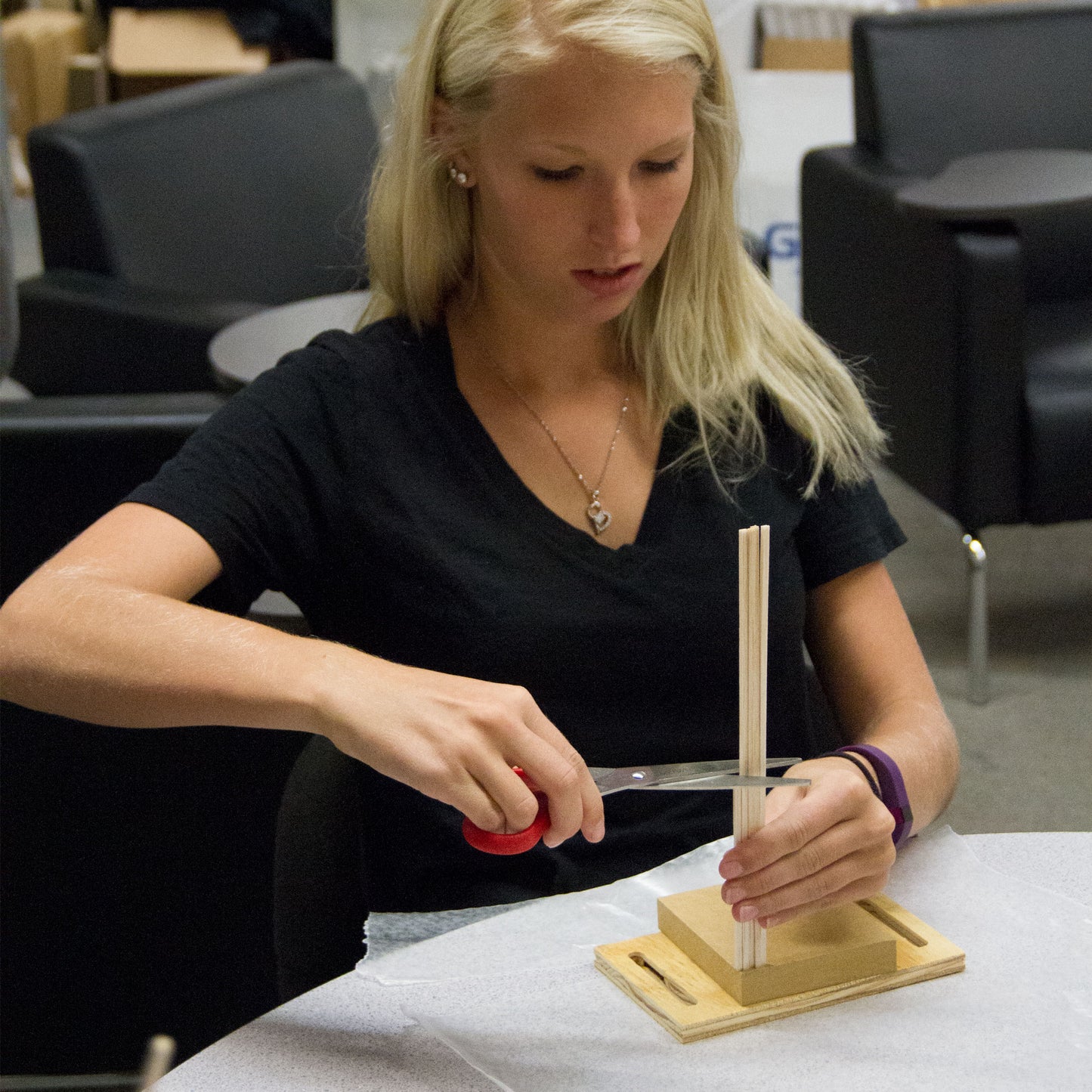
Students compare polyhedral shapes, calculate volume-to-straw ratios, and design the tallest possible tower under strict material constraints.

Bridge Engineering

Bridge Engineering

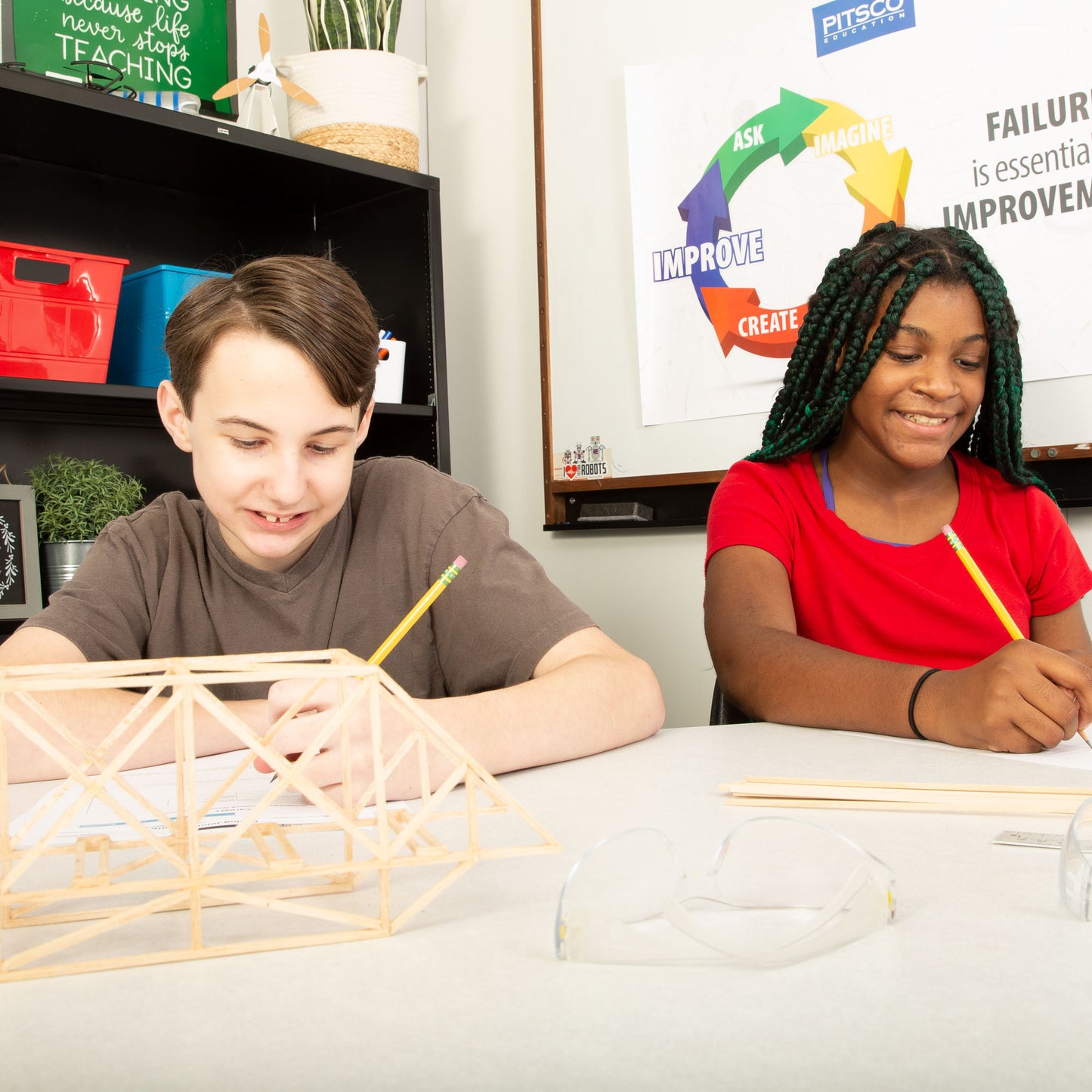
Teams progress through the full engineering design cycle—ask, imagine, plan, create, test, and improve—building and stress-testing bridges to failure.

Seismic Engineering

Seismic Engineering

Using the EQµ Tremor Table, students design earthquake-resistant structures, investigate wave properties, and test roadbed designs against simulated seismic activity.

Real Testing Equipment

Real Testing Equipment

Professional-grade Timber Testers, Balsa Truss Testers, and Structures Testing Devices give students authentic engineering feedback on their designs.

What Students Will Do

Every project ends the same way—with a test. Students design to specifications, build with precision, and then watch their structures face real forces. Failure is not the end; it is the beginning of the next design cycle.
  • Compare the strength of different polyhedral shapes as structural bases
  • Design and build the tallest possible straw tower within material limits
  • Engineer a bridge that meets specific load and span requirements
  • Stress-test bridges to failure and analyze structural weak points
  • Design earthquake-resistant structures using the EQµ Tremor Table
  • Locate epicenters and design roadbeds to withstand seismic forces

Compare Similar Products

Feature Current Product
STEM Explorers: Design and Build
STEM Explorers: Engineering for Innovation STEM Explorers: Aerospace
Price $4,999.00 $5,899.00 $2,499.00
Primary Focus Structural EngineeringInventive Engineering Flight Science and Rocketry
Grade Level Grades 6–8Grades 6–8 Grades 6–8
Curriculum Length 40 class periods40 class periods 34 class periods
Key Activities Towers, bridges, earthquake-resistant structuresRoller coasters, dragsters, 3Doodler prototyping Straw rockets, water rockets, zip lines
Testing Equipment Included
3-D Design/Additive Manufacturing
Best For Programs seeking a rigorous, materials-based engineering curriculum with real testing equipmentSchools wanting creative engineering challenges with additive manufacturing and design variety Schools wanting an engaging, affordable entry to hands-on STEM with outdoor launch activities
View Details View Details

Step 1—Unbox and Organize: Review the materials list and set up lab stations. The Timber Testers, Balsa Truss Tester, and EQµ Tremor Table require brief assembly—all other materials are ready to use.

Step 2—Structural Design: Students begin with polyhedron investigations, comparing shapes for structural strength and calculating material efficiency. They design and build increasingly complex straw structures.

Step 3—Bridge Engineering: Teams follow the full engineering design cycle—learning about bridge types, structural forces, and material properties before designing, building, and stress-testing their own bridges.

Step 4—Seismic Engineering: Students investigate natural forces, wave properties, and mass distribution before designing earthquake-resistant structures and roadbeds using the EQµ Tremor Table.

Step 5—Present and Reflect: Students evaluate the efficiency of their designs, propose improvements, and present their engineering analysis to the class.

Building Strong Foundations—Engineering Thinking Through Structural Challenges

The STEM Explorers: Design and Build program teaches students that engineering is not about getting it right the first time—it is about testing, failing, analyzing, and improving. Through forty class periods of increasingly complex structural challenges, students develop the problem-solving instincts and technical skills that define real engineering work.

Students explore how structural engineering supports professionals in fields such as:

  • Civil engineering and infrastructure design
  • Architecture and urban planning
  • Earthquake and disaster resilience engineering
  • Construction management and building inspection
  • Materials science and testing

They do not just learn about structures. They build, test, break, and rebuild them.

Science

  • Forces acting on structures—compression, tension, shear, bending, torsion
  • Seismic wave properties and how they affect buildings
  • Material strength and failure analysis
  • Controlled experimentation with single and multiple variables

Technology

  • Professional testing devices for measuring structural performance
  • The EQµ Tremor Table for simulating earthquake conditions
  • Data collection, graphing, and analysis tools
  • Engineering notebooks for documenting the design process

Engineering

  • Full engineering design cycle—ask, imagine, plan, create, test, improve
  • Designing to specifications, constraints, and material budgets
  • Stress testing and failure analysis
  • Bridge, tower, and seismic structure design challenges

Math

  • Calculating ratios of volume to material for structural efficiency
  • Measuring dimensions, loads, and structural capacity
  • Graphing data from stress tests and earthquake simulations
  • Geometric reasoning in polyhedron and bridge design

Investigation: Structural Design (5 lessons):

• Comparing Strength of Polyhedrons—Determine which polyhedral shape makes the strongest base

• Calculating Polyhedron Efficiency—Calculate ratios of volume to total straw length

• Designing and Building a Truss—Design, build, and test different straw truss designs

• Designing and Building a Structure—Use a set amount of resources to build the tallest tower

• Structural Design Challenge—Model a building for the community using straw structures

Investigation: Structural Design (Bridge Focus, 10 lessons):

• All About Bridges—Learn about different types of bridges

• Structural Frameworks—Test the strength of shapes used in bridge frameworks

• Structural Forces—Learn about the five common forces acting on structures

• Bridge Challenge—Learn specifications and constraints for the bridge project

• Bridge Design—Ask, Imagine, Plan—Brainstorm and sketch bridge solutions

• Bridge Construction—Create—Use materials and tools to construct bridge designs

• Stress to Failure—Test bridges to failure

• Bridge Analysis—Improve—Evaluate efficiency and propose improvements

Investigation: Seismic Engineered Structures (8 lessons):

• Structural and Natural Forces—Learn about natural forces acting on structures

• Investigating Wave Properties—Analyze and generate various wave forms

• Designing Structural Resistance—Design an earthquake-resistant structure to meet criteria

• Varying Mass Distribution—Investigate placement of mass prior to an earthquake

• Locating Epicenters—Determine the epicenter of a hypothetical earthquake

• Designing Roadbed Segments—Design and construct an earthquake-resistant roadbed

• Structural Investigation—Test an earthquake-resistant roadbed

• Seismic Engineering—Design and test a structure to withstand maximum stress

Why Teachers Love STEM Explorers: Design and Build

Forty Class Periods

Forty Class Periods

A full semester of structured engineering curriculum covering three major investigation units.

Professional-Grade Tools

Professional-Grade Tools

Timber Testers, Balsa Truss Testers, and the EQµ Tremor Table are built for years of classroom use—no homemade alternatives needed.

Failure by Design

Failure by Design

Students test structures to failure on purpose, learning more from what breaks than from what holds.

Full Engineering Design Cycle

Full Engineering Design Cycle

Every unit follows the ask, imagine, plan, create, test, improve process used by professional engineers.

Unique Earthquake Simulation

Unique Earthquake Simulation

The EQµ Tremor Table is a one-of-a-kind classroom tool that brings earthquake engineering to life in ways videos and textbooks cannot.

Trusted Curriculum

Trusted Curriculum

Developed and refined by Pitsco Education, trusted by educators for over fifty years of hands-on STEM.

"Your curriculum is deeper. You deliver 21st-century skills that truly teach kids how to not just look at the content but also be able to communicate and work collaboratively. And there is no comparison to your customer service."

—Cary Johnson, K-12 Director of Innovation and Technology, Placentia-Yorba Linda Unified School District, CA

Flexible Purchasing Options

Pricing and volume discounts are built in—choose the path that fits your purchasing process.

Buy Online

Best if you know what you need and can buy online.

Ready to purchase now? Add this to your cart for fast, easy checkout.

Request a Quote

Need a quote for approval or purchase order processing?

Request a quote or connect with an Education Advisor before purchasing.

Request a Quote

Get Expert Guidance

Exploring options or planning a larger implementation?

Our Education Advisors can help with product selection, curriculum, and professional learning.

Book a Meeting

Frequently Asked Questions

What grade levels is this program designed for?

STEM Explorers: Aerospace is designed for Grades 6–8. The curriculum scales naturally for different ability levels, and the hands-on challenges engage students across the middle school spectrum.

Do teachers need a science background to teach this?

No. The teacher resource guide includes complete lesson plans, setup instructions, answer keys, and assessment rubrics. Any teacher can confidently lead these activities regardless of prior STEM experience.

Is this program aligned to standards?

Yes. Lessons align to Next Generation Science Standards (NGSS) for middle school physical science and engineering design, as well as Common Core math standards for measurement, data analysis, and geometry.

Do we need special facilities or outdoor space?

Most lessons work in a standard classroom. Water rocket launches require outdoor space—any open field or parking lot works. No lab equipment or special infrastructure is needed.

How long does the program take to complete?

The curriculum spans thirty-four class periods. Schools can teach it as a full semester course, a nine-week rotation, or spread across the year depending on scheduling needs.

Are consumable materials replaceable?

Yes. Straw rocket refill packs, water rocket kits, and other consumable materials are available separately from Pitsco for easy replenishment year after year.