Water Rockets – Getting Started Package

Regular price $484.00
Regular price $0.00 Sale price $484.00
Grades 6-12

The Water Rockets Getting Started Package Delivers Thirty Student Rockets, a Launcher, and a Pump—Ready for Outdoor STEM

Regular price $484.00
Regular price $0.00 Sale price $484.00
Shipping calculated at checkout.

⚠️ Clearance Item - Final Sale

All clearance sales are final. No returns, refunds, or exchanges.

SKU: SKU:35563

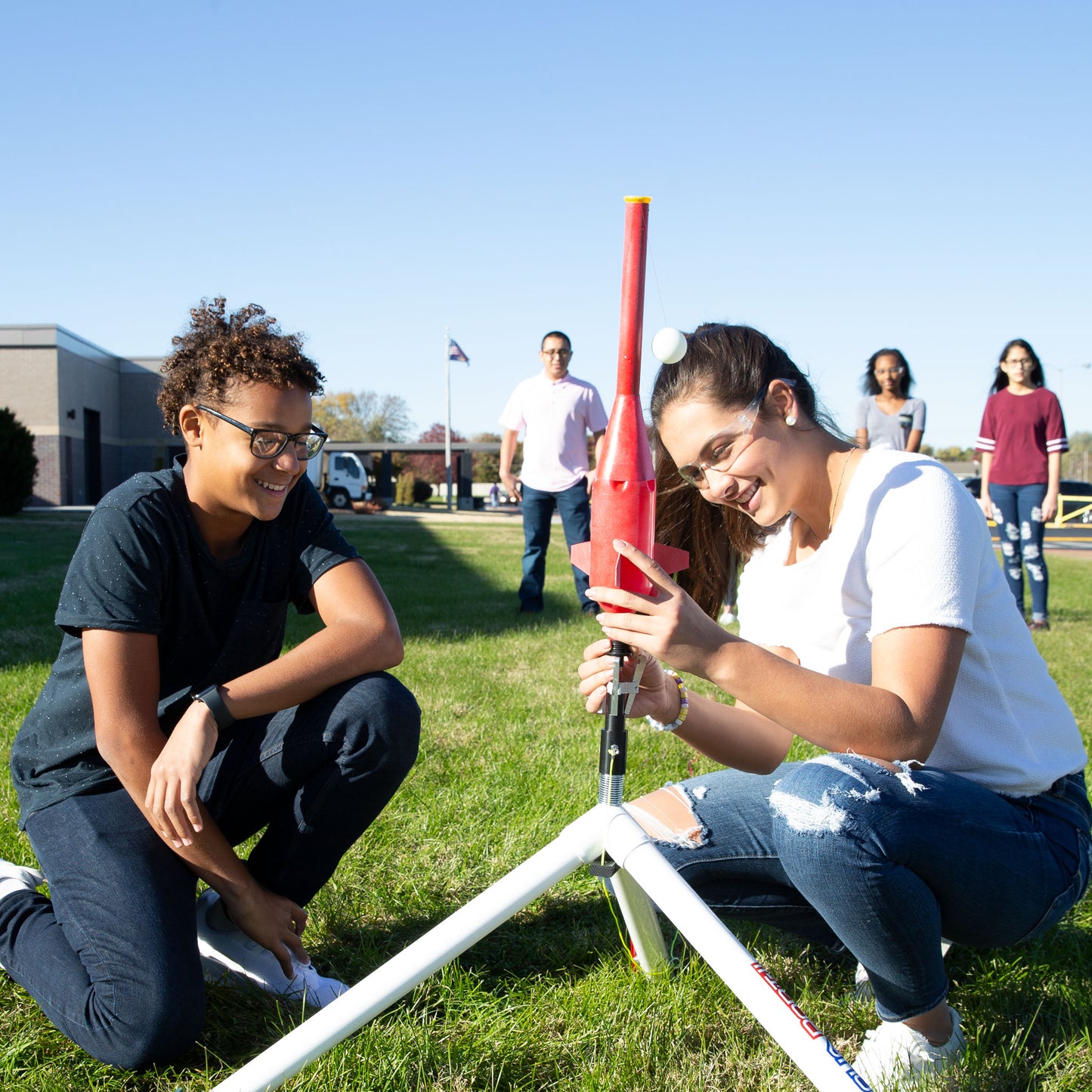
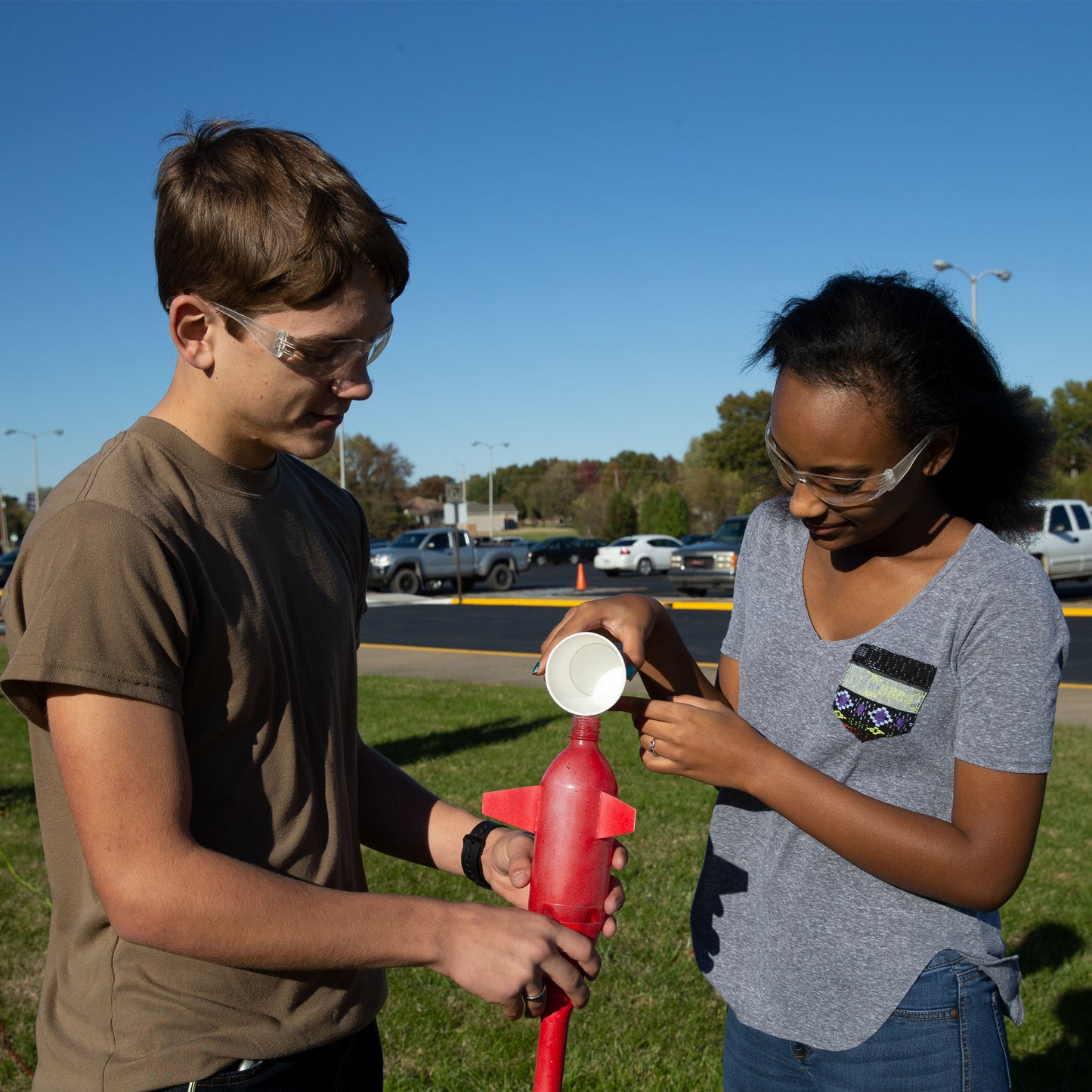
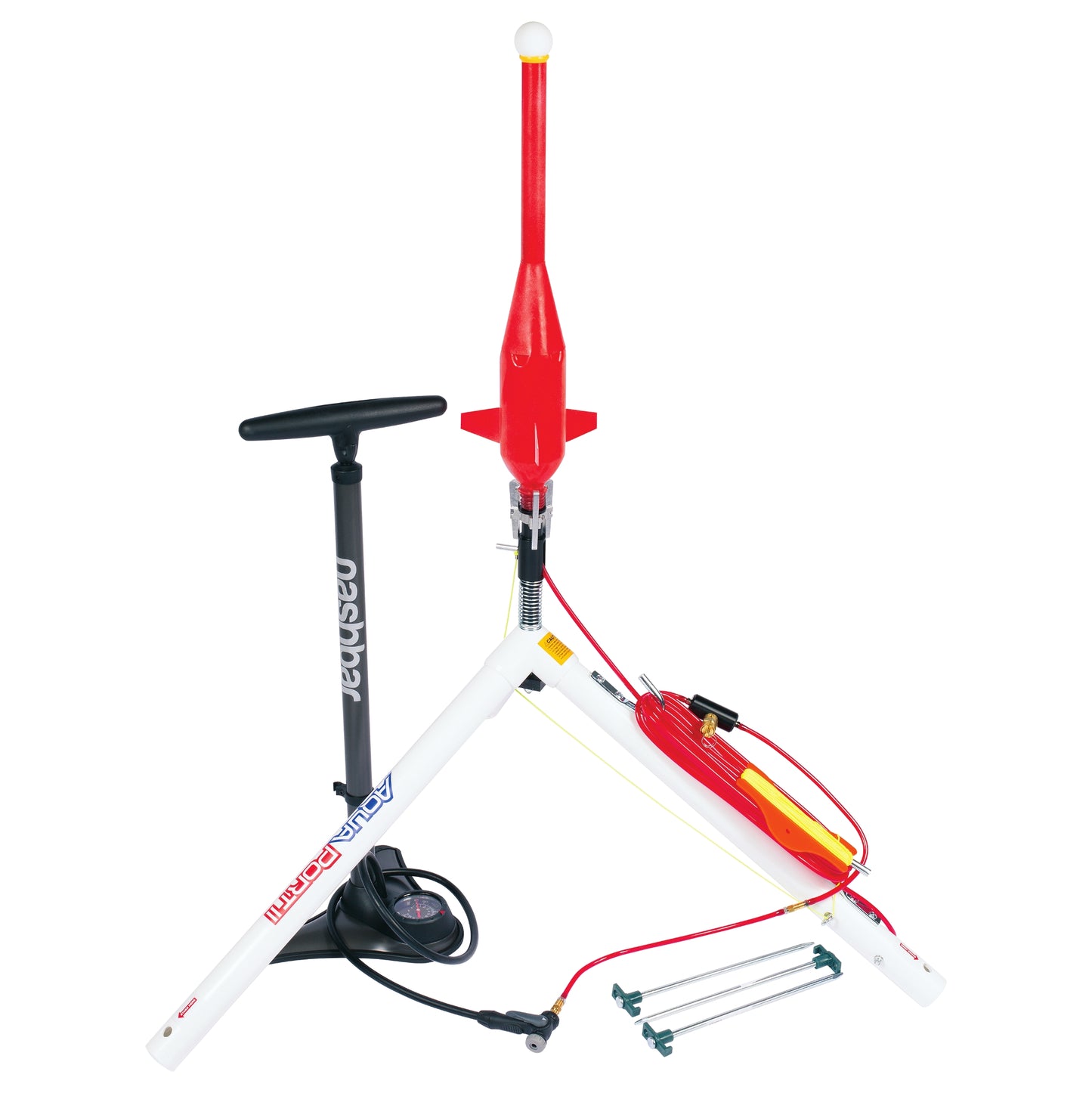
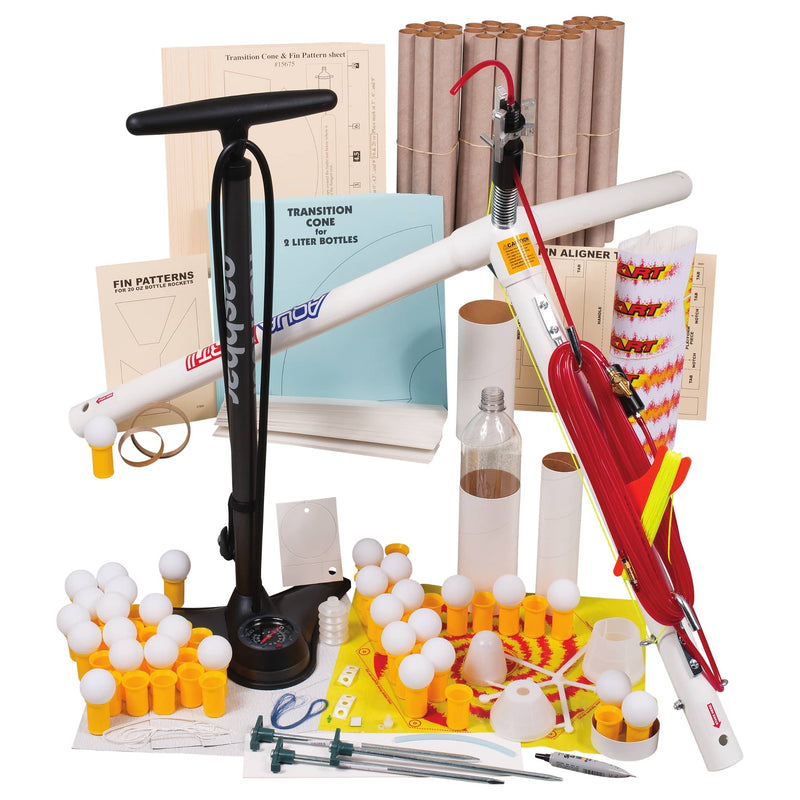
Engage your class in the magic of water-powered rocketry! This package includes thirty R2K Water Rockets for student builds, the Aquaport II Launcher, a Stalwart Blaster demo rocket, and the Deluxe Port Pump II for pressurization. Students design nose cones and fins from plastic bottles, load their rocket onto the launcher, pump to pressure, and watch water thrust send it soaring. The result is a visceral lesson in Newton’s Third Law, air pressure, and trajectory that no simulation can match.

NOTE: Plastic bottles needed, but sold separately!

Low stock

Students Served: 30 students
Rockets for 30 Students
Launcher + Pump Included
Water-Powered—No Propellants
Newton’s Third Law in Action
WHAT'S INCLUDED
  • R2K Water Rockets
  • Aquaport II Water Rocket Launcher
  • Stalwart Blaster Water Rocket
  • Deluxe Port Pump II
SPECIFICATIONS & SAFETY
  • Students Served: 30
  • Level: Suitable for Grades 6 and up
  • Tools and Materials Required: Plastic bottles, cool-melt glue gun and glue, scissors, and tape
California Proposition 65 WARNING: This product contains one or more chemicals known to the State of California to cause cancer, birth defects, and other reproductive harm.
View full details
Water Rockets – Getting Started Package
Water Rockets – Getting Started Package

Regular price $484.00
Regular price $0.00 Sale price $484.00

Frequently Bought Together

1
R2K Water Rocket Kit
+
2
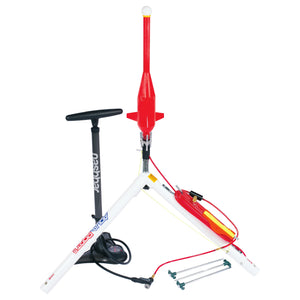
An AquaPort II Water Rocket Launcher with a red and white rocket attached, on a tripod base with black and gray details. Accessories including air tubing, launch string, and stakes are also visible.
+
3
Coordinate Plane Target Board

Total: $286.50 (3 items)
Water Rockets – Getting Started Package
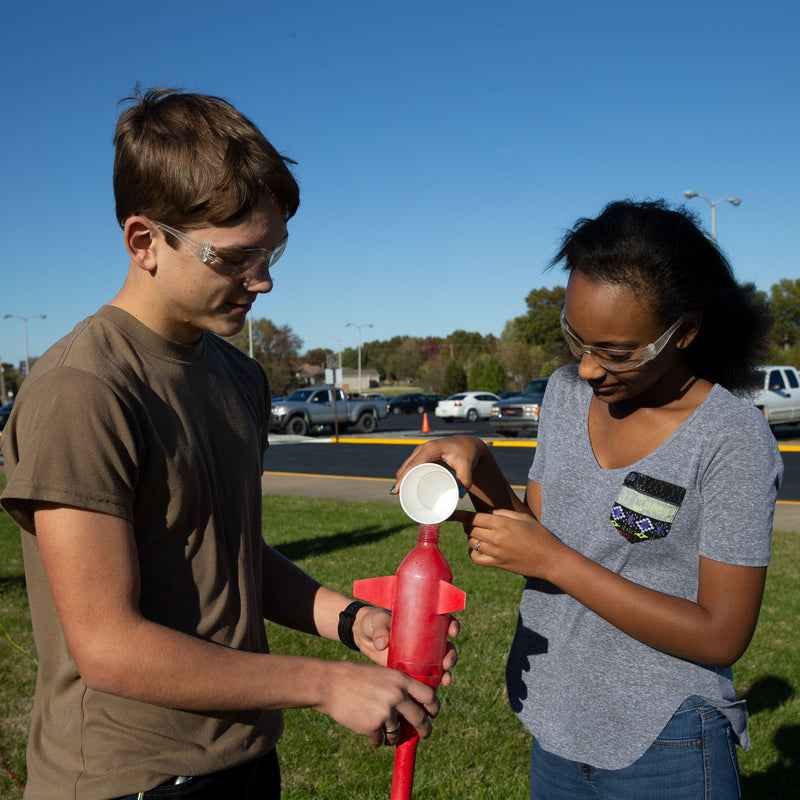
Pressurize. Launch. Learn.

Thirty student rocket kits, the Aquaport II launcher, and the Deluxe Port Pump II—students build rockets from plastic bottles, pump to pressure, and experience Newton’s Third Law as water thrust launches their designs skyward. The most visceral rocketry experience in the Pitsco lineup.
Water-Powered Launch

Water-Powered Launch

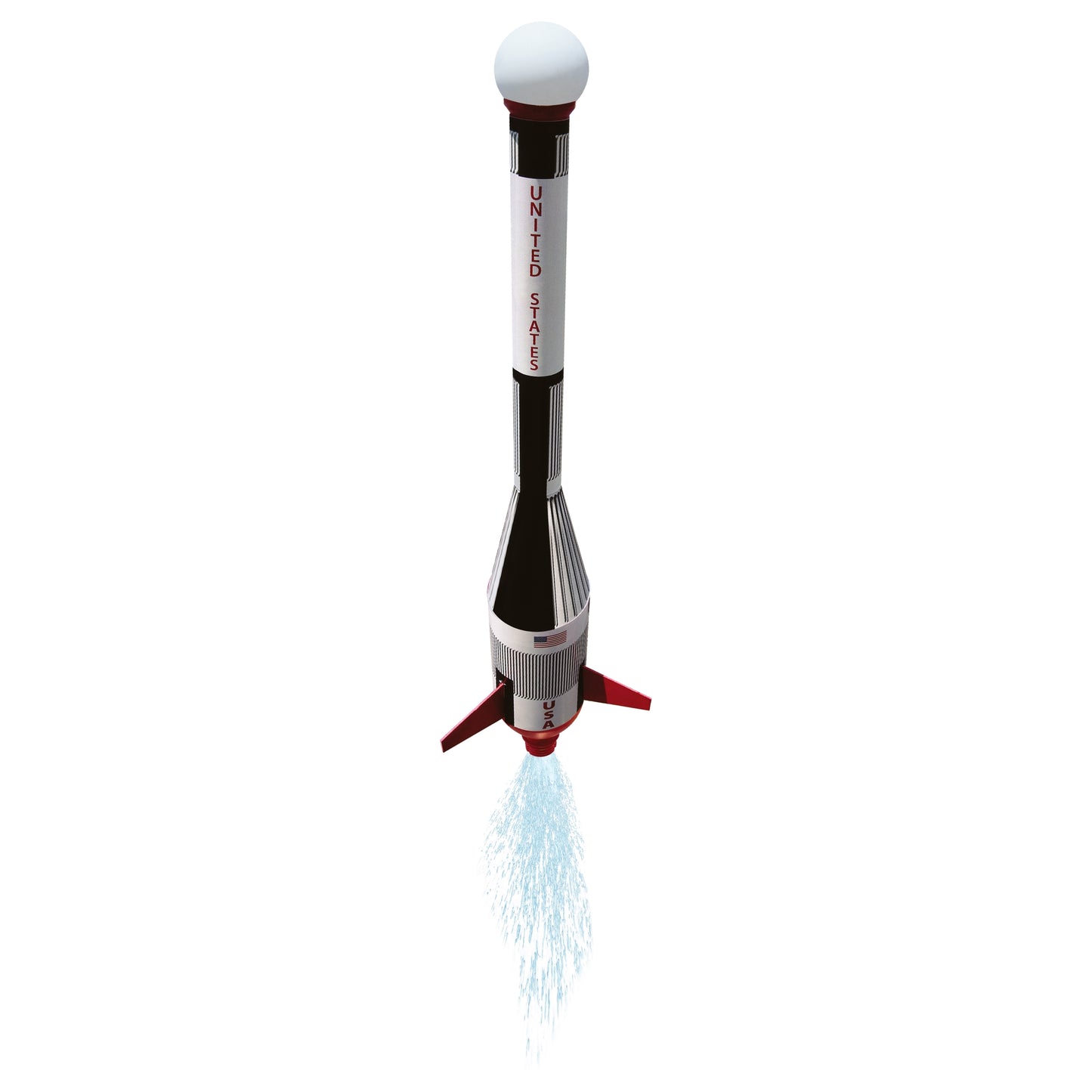
Newton’s Third Law You Can Feel—Students pump air into a water-filled bottle rocket until pressure builds, pull the release cord, and watch water blast downward as the rocket shoots upward. The equal-and-opposite reaction is not a diagram—it is a soaking, roaring, unforgettable experience.

Aquaport II Launcher for Safe, Repeatable Launches

Aquaport II Launcher for Safe, Repeatable Launches

The pull-cord release mechanism keeps students at a safe distance during launch. The launcher holds the rocket securely under pressure and releases cleanly, giving consistent launches students can compare across design iterations.

Thirty Student Rocket Kits

Thirty Student Rocket Kits

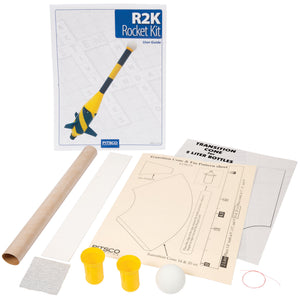
R2K kits give every student materials and guides to design their own nose cone, fin configuration, and payload bay from a standard plastic bottle. Each rocket is unique—each launch tests a different hypothesis.

Deluxe Port Pump II—Hand-Powered Pressurization

Deluxe Port Pump II—Hand-Powered Pressurization

The included hand pump lets students control pressure buildup. Pump more for higher launches. Students learn the direct relationship between pressure, water volume, and thrust—by feel, not formula.

What Students Will Do

Students design and build water rockets, control launch variables, collect flight data, and iterate on designs for altitude and accuracy.
  • Design nose cone and fin shapes for a plastic-bottle rocket
  • Attach fins and nose cone using hot glue and tape
  • Fill the rocket with a measured volume of water
  • Mount the rocket on the Aquaport II launcher
  • Pump to target pressure using the Deluxe Port Pump II
  • Launch using the pull-cord release
  • Measure altitude and flight time
  • Adjust water volume, pressure, fin shape, and nose cone design
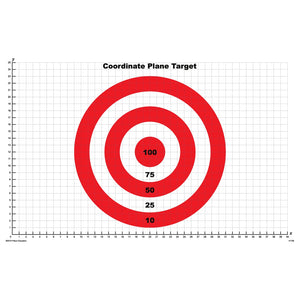
  • Compete in altitude and accuracy challenges

Compare Similar Products

Feature Current Product
Water Rockets – Getting Started Package
Straw Rockets – Getting Started Package Solid-Fuel Rockets – Getting Started Package
Price $484.00 $255.00 $674.00
Launch Type Water thrust (outdoor)Air-powered (indoor) Solid-fuel motor (outdoor)
Power Source Air pressure + waterCompressed air only Estes-style solid fuel
Students Served 30 students30 students 30 students
Launch Environment Outdoor field requiredIndoor—classroom or hallway Outdoor field required
Grade Range Grades 6–12Grades K–12 Grades 6–12
Altitude High (50–200+ feet)Up to 50 feet Very high (200–500+ feet)
Best For Visceral Newton’s Third Law lessonsFirst-time indoor rocketry Advanced rocketry programs
View Details View Details

From Bottle to Blastoff in Two Class Periods

Prep: Set up the Aquaport II launcher on an outdoor field. Connect the Deluxe Port Pump II. Distribute R2K kits and plastic bottles to students.

Build (1–2 periods): Students design and attach nose cones and fins to their plastic bottles using hot glue and tape. Each design is different—fin shape, number of fins, nose cone profile, weight distribution.

Launch: Fill the rocket with a measured volume of water. Mount it on the Aquaport II. Pump to target pressure. Pull the release cord. Water blasts downward, rocket shoots upward. Students cheer.

Iterate: Change water volume, pump pressure, or fin design. Relaunch. Compare altitude and flight characteristics. The Stalwart Blaster demo rocket provides a benchmark for students to beat.

Rocketry That Makes Physics Unforgettable

SCIENCE

• Newton’s Third Law—action/reaction (water down, rocket up)

• Air pressure and fluid dynamics

• Projectile motion and trajectory

• Mass, thrust, and acceleration relationships

TECHNOLOGY

• Pressure measurement and control

• Design iteration based on flight data

• Tool use—glue gun, pump, launcher operation

ENGINEERING

• Aerodynamic design—fin shape, nose cone drag

• Structural integrity under pressure

• Engineering design process

• Center of gravity and stability

MATH

• Volume measurement (water fill)

• Pressure calculations

• Altitude estimation (angle and distance)

• Data collection and graphing

Support Materials

Videos, guides, and resources to help you get the most out of this product.

Why Teachers Love Water Rockets Getting Started Packages

The Most Memorable STEM Day of the Year

The Most Memorable STEM Day of the Year

Water rockets launch with a roar and a spray. Students remember this lesson for years. The visceral experience of pressure, thrust, and flight cements physics concepts that worksheets cannot.

Thirty Students, Thirty Unique Rockets

Thirty Students, Thirty Unique Rockets

R2K kits give every student materials to build their own design. Different fins, different nose cones, different hypotheses—every launch is an experiment.

Water-Powered Means Safe and Reusable

Water-Powered Means Safe and Reusable

No combustible propellants, no single-use motors. Add water, pump, launch, recover, repeat. Students run multiple trials in a single class period.

Launcher and Pump Included—No Extra Equipment

Launcher and Pump Included—No Extra Equipment

The Aquaport II launcher and Deluxe Port Pump II are in the box. Students supply plastic bottles. That is the only additional item needed.

Pressure You Can Control, Thrust You Can See

Pressure You Can Control, Thrust You Can See

Students pump to a target pressure, launch, and see the result. More pressure, more water, higher launch. The cause-and-effect loop is immediate and measurable.

Competition Drives the Science

Competition Drives the Science

Who launched highest? Who hit the target? Students optimize water volume, pressure, and fin design when a trophy or class ranking is on the line.

Flexible Purchasing Options

Pricing and volume discounts are built in—choose the path that fits your purchasing process.

Buy Online

Best if you know what you need and can buy online.

Ready to purchase now? Add this to your cart for fast, easy checkout.

Request a Quote

Need a quote for approval or purchase order processing?

Request a quote or connect with an Education Advisor before purchasing.

Request a Quote

Get Expert Guidance

Exploring options or planning a larger implementation?

Our Education Advisors can help with product selection, curriculum, and professional learning.

Book a Meeting

Frequently Asked Questions

What is included in the Water Rockets Getting Started Package?

The package includes R2K Water Rockets with materials and guides for thirty students, the Aquaport II Water Rocket Launcher, a Stalwart Blaster demo rocket, and the Deluxe Port Pump II hand pump. Students supply plastic bottles, a cool-melt glue gun with glue, scissors, and tape.

Do water rockets require an outdoor launch area?

Yes. Water rockets launch with significant force and altitude; an open outdoor field is required. Plan for a minimum clear area of one hundred feet in all directions from the launcher. Indoor use is not recommended.

How high do water rockets fly?

Altitude depends on water volume, air pressure, and rocket design. Typical student launches reach fifty to two hundred feet. Optimized designs with higher pressure can exceed two hundred feet. The Stalwart Blaster demo rocket provides a benchmark.

Are water rockets reusable?

Yes. After each launch, students recover the rocket, refill with water, re-pressurize, and launch again. Plastic-bottle rockets typically survive five to ten launches before needing repair or replacement. Rocket kits include materials for new builds.

What is the difference between water rockets and straw rockets?

Water rockets launch outdoors using air pressure and water thrust—they reach much higher altitudes (fifty to two hundred-plus feet) and deliver a dramatic, visceral experience of Newton’s Third Law. Straw rockets launch indoors using air compression only (up to fifty feet) and require no outdoor space. Water rockets are best for grades six and up; straw rockets work grades K through twelve.

Is the pump included or do we need to buy one?

The Deluxe Port Pump II hand pump is included in the Getting Started Package. No additional pump or pressurization equipment is needed. Students use the hand pump to build pressure before each launch.

Are plastic bottles included?

Plastic bottles must be purchased separately. Or better yet, just brought from home! Compatible with one-liter, two-liter, or 20 oz bottles.